

Logistics Software Development Guide
Logistics keep the goods flowing from manufacturers to consumers in the current fast-growing global market. As the functionality of the supply chains increases, the need for logistics software development increases. The logistics market is estimated to reach USD 6.55 trillion by 2027 at the global level. This increase in demand demonstrates the significance of logistics software, which is an essential tool that supports the functioning and development of a company, its efficiency enhancement, decreased costs, and increased customer satisfaction. This blog aims to explain how logistics software is built and why it is necessary for organizations. It also proposes solutions to some of the challenges and trends that seem to be developing within the logistics company.
What is Logistics Management Software?
Logistics Management Software, better known as LMS, is a software intended to manage the process of planning, executing, and monitoring the flow of goods, services, and related information in the most efficient and least cost-effective way from source to user. LMS encompasses various functionalities. By incorporating such functions, the logistics software offers organizations a central place through which they can handle all their logistics needs effortlessly.
Types of Logistics Software
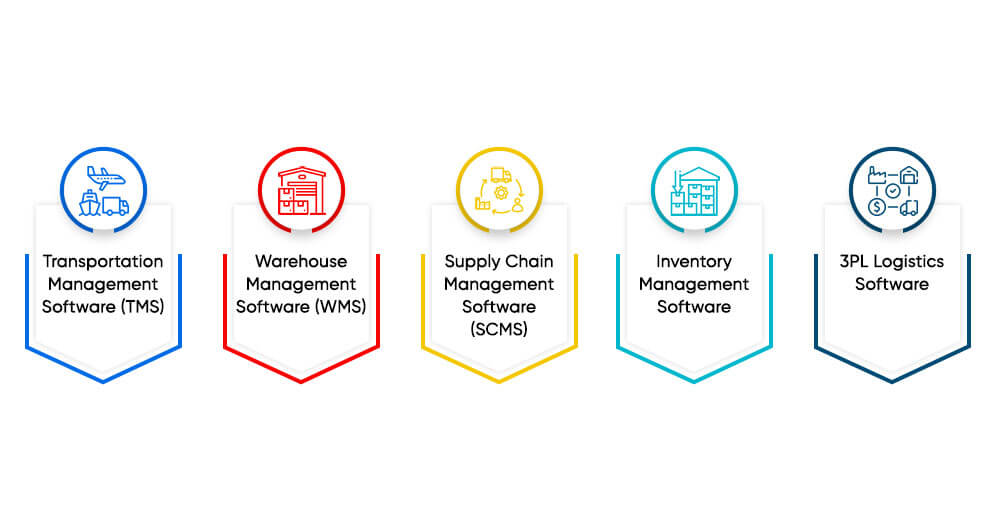
Transportation Management Software (TMS)
Warehouse Management Software (WMS)
Supply Chain Management Software (SCMS)
Inventory Management Software
3PL Logistics Software

Get highly integrated logistics solutions to automate your business processes and reduce human errors.
Benefits of Logistics Software
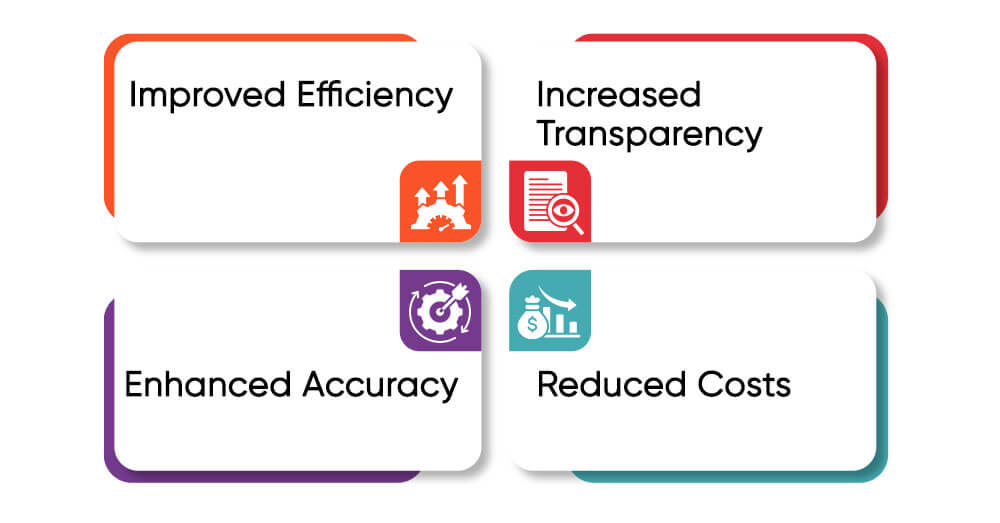
Logistics software offers substantial benefits that can transform the efficiency and effectiveness of a business’s operations. The following are logistics software benefits:
Improved Efficiency
Transportation management technologies include route optimization software and order processing, increasing order processing logistics by a hundred percent. The best logistics software for small businesses means more time for business development and with customers. Further, logistics software integration can also be categorized as asynchronous intermediary flows that enable effective problems to workflow and organizational effectiveness.
Enhanced Accuracy
Increased Transparency
Logistics software offers complete visibility of the supply chain management right from the warehousing information to the transportation information of the products. This is important so that businesses can be rational in their operations as well as ensure that they continue being trusted by their customers. The logistics software for business enables the running of the processes on a real-time basis and thus, they become more responsive.
Reduced Costs
How to Build a Logistics Software
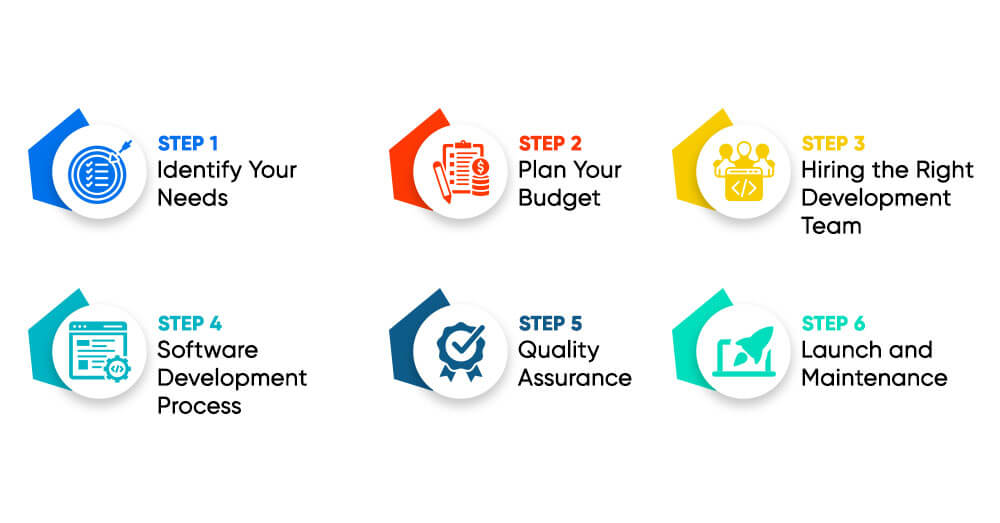
Identify Your Needs
Plan Your Budget
Hiring the Right Development Team
Are you keen on getting the best solutions for enhancing your logistics performance?
Software Development Process
Quality Assurance
Launch and Maintenance
Logistics Software Challenges
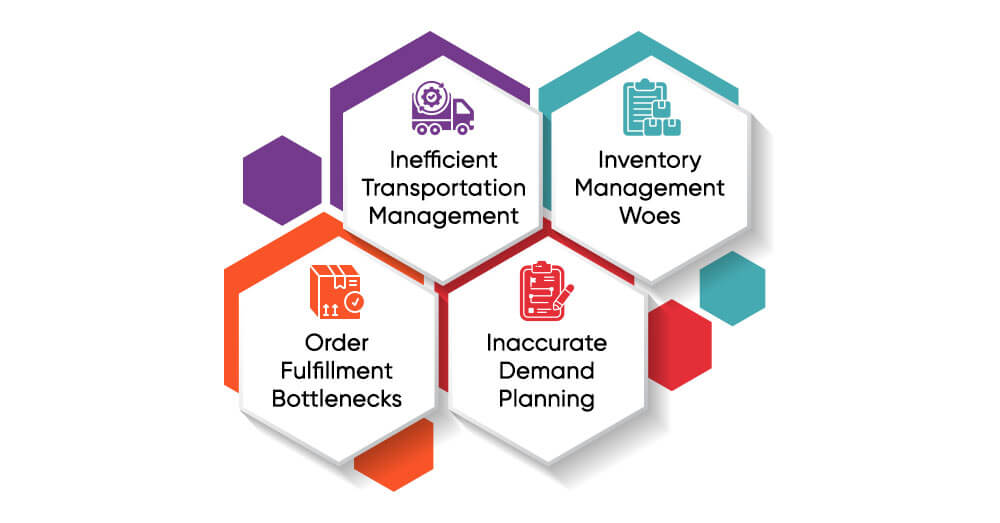
Inefficient Transportation Management
Inventory Management Woes
Order Fulfillment Bottlenecks
Inaccurate Demand Planning
Demand planning is an essential business aspect since it balances demand and supply. Although with proper logistics software, one can predict demand effectively, this is sometimes a challenge. Some of the current logistics software trends, such as Artificial Intelligence incorporated in logistics analytics, enable more accurate demand forecasts, hence curbing wastage and boosting profitability.
Logistics software is a powerful working tool that solves the main transportation challenges, inventory, warehouse, order, and demand problems. Today’s businesses can gain a lot from modern logistics software, resulting in accurate, efficient, and cheaper processes. The application of the best logistics software cannot be overemphasized for any venture, big or small, in today’s quickly evolving data-dependent business world.